All three of my kids were camping before they were 2 months old – including my premature twin girls who went on their first trip while still on supplemental oxygen. Getting baby to sleep comfortably and safely at camp was something I had to figure out fast, and it came down to two things: the right gear, and the right setup.
This article covers both. You’ll find the best baby sleeping bags for camping, how to dress baby for sleep at different temps, and all the sleep setup options so you can pick what works for your family.
Note: This article covers sack-style and wearable sleeping bags for babies. If your little one is closer to toddler age, check out my roundup of the best toddler sleeping bags for camping – they are built to last much longer!
This post contains affiliate links. If you purchase through them I earn a small commission at no extra cost to you. The Morrison Outdoors section was originally a sponsored review – all opinions are my own.
Table of Contents
Safe Sleep First: What You Need to Know Before Buying
Before getting into product picks, a quick note on safety – because using a sleeping bag incorrectly with a baby can be dangerous. These are the same guidelines you follow at home, applied to camp:
- Always place baby on their back to sleep
- No loose bedding, pillows, or soft objects in baby’s sleep space
- Never put an infant under 15 months on an inflatable mattress alone
- Never size up on a sleeping bag – a bag that is too large creates a suffocation risk for babies 6-18 months as their head can slip inside
- Monitor baby’s temperature through the night – feel the back of their neck to check for overheating or being too cold
- Keep sleeping bags away from campfire and any ignition sources
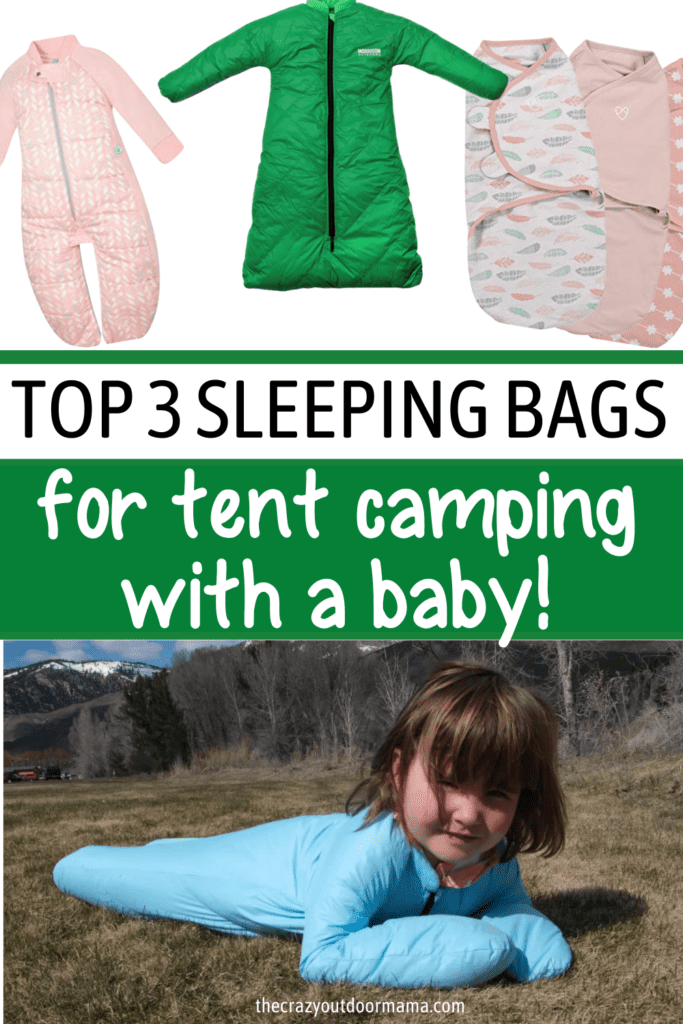
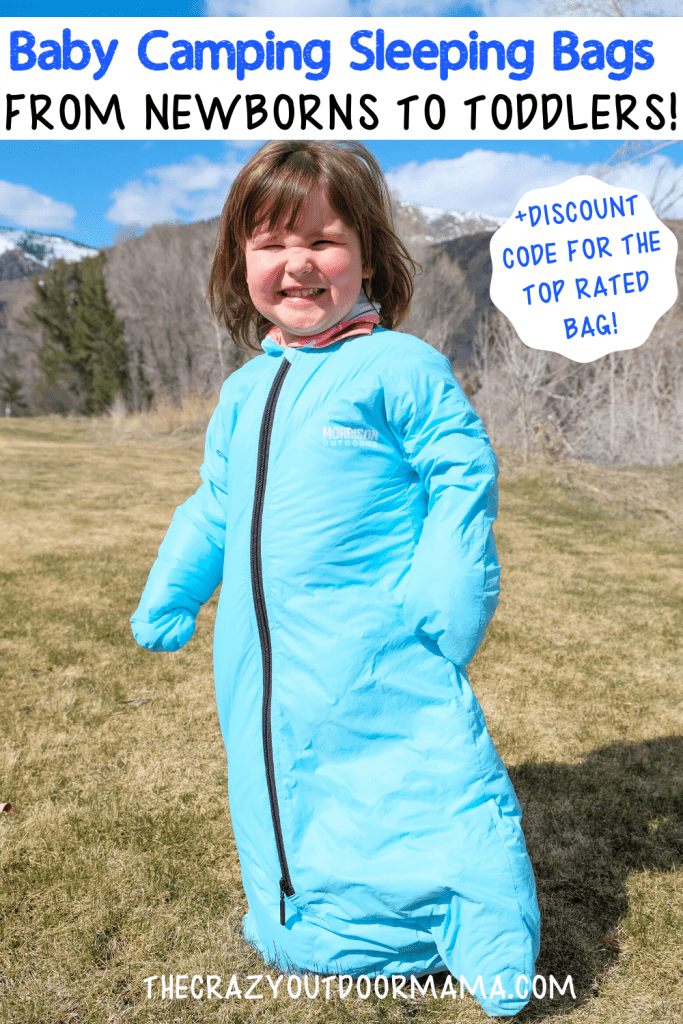
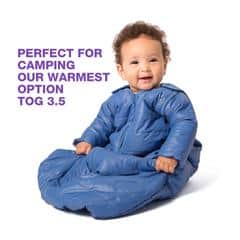
My Top Pick: The Little Mo from Morrison Outdoors
A good sleeping bag when camping with your baby is only a piece of the puzzle, but it gives you real peace of mind knowing your baby is staying warm and safe through the night.
- Extremely warm – The down version of the Little Mo sleeping bag is rated for use in as low as 20 degree F temps!
- Added insulation in the feet area – We all know how cold little feet can get – the Little Mo has this covered with extra down insulation in the footbox.
- An investment that lasts years – This sleeping bag is for ages 6-24 months, and Morrison Outdoors has a trade-up program where you can send it back once your baby outgrows it for cash back or credit toward the toddler version.
I love that this camping sleeping bag for babies was designed by a family who actually camps. They started making these in their garage and have since grown to being stocked at REI – it really shows that a lot of thought went into every feature.
Buy the Little Mo now – use promo code “CRAZYOUTDOORMAMA” for 10% off!
More Baby Sleeping Bag Options for Camping
The Little Mo is going to cover most campers’ needs – it is warm, adjustable, and easy to do diaper changes in. But I wanted to include a few other options because there are many different types of camping families. These include bags that are good for newborns, ones that are organic, and ones designed for babies who are starting to walk.
Camping Sleeping Bag Options for Baby
While I think that the Little Mo is the best overall sleeping bag (that will work for almost any camping situation) I have included some other options for special circumstances. These include swaddles for very young babies camping or an extra warm one for early or late season camping with your baby!
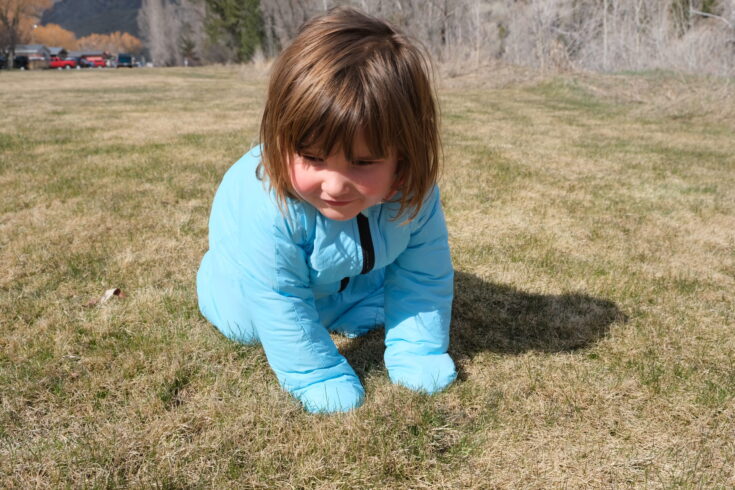
Little Mo 20° Down Baby Sleeping Bag (for low temps and less weight)
If you plan on camping during early season or late fall, you may need something more than the 40 rated baby deedee - you will need the Morrison Outdoors camping sleeping bag for your baby!
The version I have linked to is made from down, so it packs down small, is lightweight, and of course... VERY warm!
My hardcore campers who don't let the weather stop them will probably need this in their life!
It is also way more durable and has more of the features you might see in a nice adult sleeping bag such as :
- Inverted Zipper - Zips open from the bottom, for easy diaper changes
- Draft Tube - Keeps warm air from escaping.
- Enclosed Footbox - Fully-enclosed footbox keeps little toes cozy.
- Machine Washable - Wash at home for quick, easy clean-up
Be advised though that this bag is for ages 6 months and up!
Baby DeeDee
I've already mentioned this one, but in case you're a skimmer (I know I am!) and just wanted to see the table, here it is!
This is the bag that will suit most casual campers needs - it is rated down to 50 degrees farenheight, which is as low of temps as most people will go.
Here are features that set it apart from my other recommendations:
- Removable Sleeves - This is helpful to adjust for different night time temps effortlessly
- Can be worn as a newborn - The Morrison (my second choice) can't be worn until 6 months old, so this bag can be a great starter sleeping bag!
- Has stroller/car seat strap access - This makes it more multi fucntional as you can also use it on walks or in general during winter at home in the carseat!
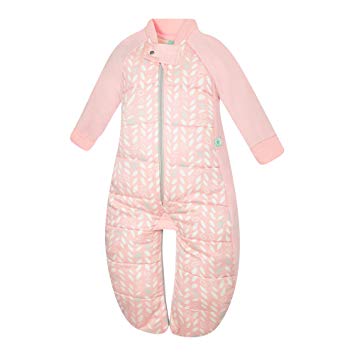
ergoPouch 3.5 TOG Sleep Suit Bag (for walkers or those close to it)
This is the same TOG as the baby deedee, however I wanted to include it because it does have different features. Depending on what you are worried about, this could be an option for you!
Here are some differences with the Baby Deedee
- Option for Warmer hands - Has flip over mitts (still maintains the same TOG, but this extra feature can really help babies stay warmer!)
- Converts to Legged Suit - Though only this option is showing, it does actually start as a traditional "sack". This is good for walkers (or soon to be!)
- Has Grips on the Feet - Just another thing for new walkers!
- 100% Organic Cotton - For some parents, especially those with sensitive skin, having organic materials can be very important. This fits the bill!

SwaddleMe Original Swaddle (for newborns)
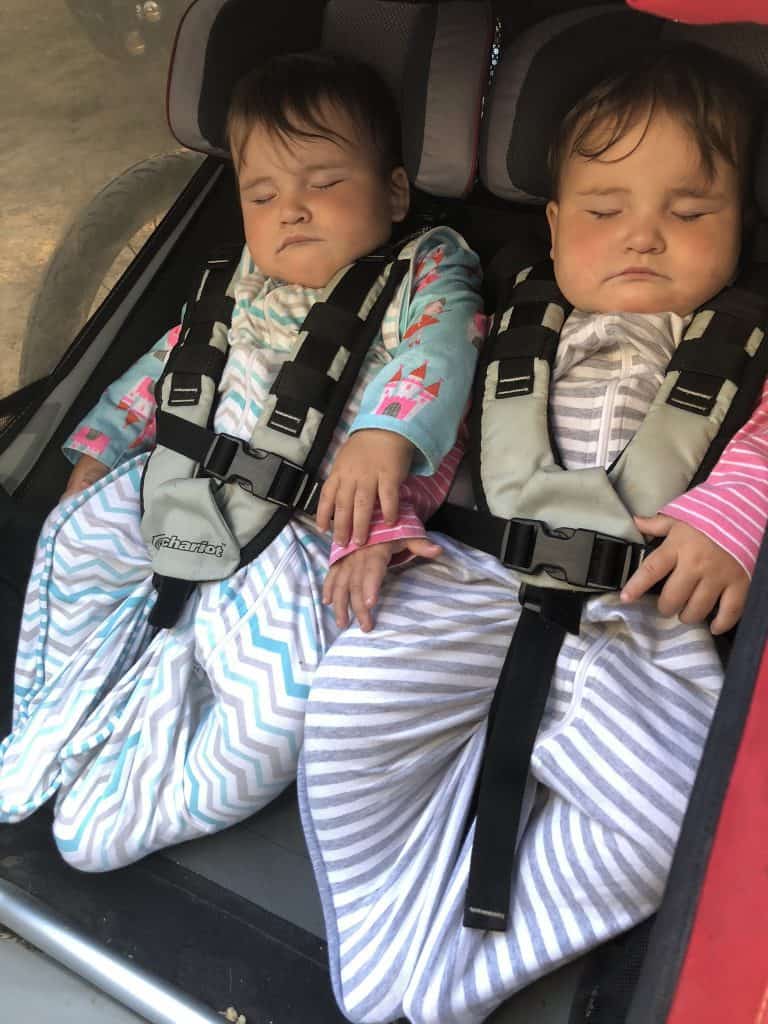
When babies are SUPER little, this style of swaddle can really help retain warmth. If your baby isn't used to being swaddled then this might not be the choice for you, however, these were perfect for my twins when we were camping (so that I wasn't as paranoid about them freezing at nigh with their little hands and arms exposed!)
What is TOG? (And Why It Matters for Camping)
TOG is a unit of measurement for insulation and warmth of sleepwear and bedding. The lower the TOG rating, the lighter the fabric. The higher the rating, the more padded and insulated it is. Here is a quick reference:
- 0.2 – 0.3 TOG = 75°F and above
- 1.0 TOG = 70°F to 75°F
- 2.5 TOG = 63°F to 73°F
- 3.5 TOG = 57°F to 70°F
I have included mostly TOG 3.5 options in this list, as most camping nights will be on the cooler side. However, if you see one you like, click through – most are offered in different TOG ratings if you camp somewhere warmer!
How to Keep Baby Warm While Camping – Layering Guide
Even with a great sleeping bag, layering is what actually keeps baby comfortable through the night. Here is what we do, adjusting based on the forecast. Most camping nights call for at minimum:
- Short sleeve or long sleeve base layer – Depending on the temps, put a long or short sleeve base layer underneath everything. While there are great fancy options (Patagonia Capilene baby is excellent!), a simple cotton one gets the job done fine.
- Footed onesie PJs – One-piece footed pajamas are your best bet for keeping baby warmest since they are one continuous piece and contain body heat better than separates.
- Warm sleep sack or camping sleeping bag – A wearable blanket is always safer than trying to layer loose blankets on them. For summer camping above 50°F a standard sleep sack usually works. Below 50°F, this is when you want an actual camping baby sleeping bag like the Little Mo.
- Hat and mittens – A simple cap and mittens do a lot to keep baby warm while camping, especially for babies with little hair!
- Socks worn under footed PJs – An added layer of warmth on the feet. A wool blend set is ideal since wool insulates even when slightly damp.
- Bonus: Slippers for cool mornings! – Slip these on in the morning so baby can keep their cozy onesie PJs on without wrecking the footie parts on the cold tent floor.
Pro tip: Check the back of baby’s neck, not their hands, to gauge temperature. Baby hands and feet run cool naturally – the back of the neck tells you if they are actually warm enough or overheating.
For a full rundown of all the gear we bring camping with a baby, see my baby camping gear guide – it covers carriers, play yards, portable jumpers, baby monitors, and more.
Baby Sleep Setup Options for Camping
Beyond what baby wears, where they sleep matters just as much. Here are the main options and the pros and cons of each.
Option 1: Pack N Play
This is the easiest choice if you don’t feel comfortable co-sleeping and don’t want to spend extra money on a sleep setup for your baby. Baby is off the ground, you have control over their sleep space, and it doubles as a daytime play yard during camp chores.
I’ve seen people get memory foam pads and cut them to size – one piece goes under the pack n play on the ground, and one goes under the mattress itself. This makes a big difference in insulation from the cold coming up through the tent floor.
Quick tips for using a pack n play camping:
- Multiple insulation opportunities – Insulate the ground under the pack n play and under the pack n play mattress for even more warmth, and to block the cold draft that moves under it.
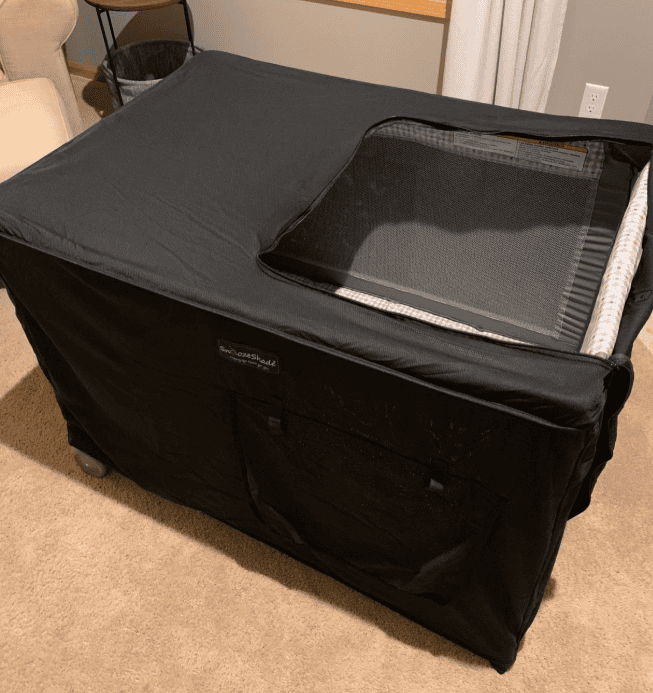
- Blackout cover add-on – Summer days are long, and it can be really hard to put a baby to sleep while camping if it’s still light out and they are used to darkness. This blackout cover is a total game changer for keeping bedtime on track.
- Day use bonus – If you use a pack n play, you won’t need a separate containment option during camp chores. One piece of gear does double duty.
Option 2: Sleeping Pad (for Tents with Limited Space)
This is a great option if you have a smaller tent, limited packing space, or plan on hiking between sites and need to keep things light.
Find out the rest of the baby camping gear that pairs well with a sleeping pad setup!
Sleeping pad options from basic to most comfortable:
- Basic foam pad – Therm-a-Rest’s classic foam pad is as basic as it gets but does the job. Best paired with a second pad on top for added comfort and warmth.
- Single self-inflating pad (1.5 inch) – A great option that packs small and performs well. This one is a diamond in the rough – comfortable, affordable, and much less bulky than the next step up.
- Double self-inflating pad (1.5 inch) – If you plan to co-sleep, this double version gives both of you room without the bulk. Easy to inflate and comfortable enough for a good night’s sleep.
- 4-inch self-inflating mattress – The most comfortable option here. This thick pad is warm, rolls to the size of a sleeping bag, and is great for co-sleeping families who want to prioritize sleep quality on longer trips.

Option 3: Co-Sleeping
My favorite option, especially since I nursed all three of my babies – it made camping so much easier to not have to leave the warmth of bed for night feeds! Even if you co-sleep at home, you may feel less comfortable doing so while camping depending on the setup.
Important: if you need to use a sleeping bag because it’s very cold, I would not recommend co-sleeping inside the bag. It’s too easy to end up covering your baby’s face in the night while half asleep. Every time I have co-slept camping, my girls were outside of my sleeping bag.
Co-sleeping is a great option if your baby is having a tough time sleeping somewhere new, if you’re nursing, or you want added warmth on cold nights.
Tips for co-sleeping safely while camping:
- Still dress your baby warm – Baby still needs their layers, especially if they move around at night and roll away from your warmth. I would still use a baby sleeping bag on movers.
- Minimal blankets – Keep loose blankets to a minimum to reduce the risk of them getting tangled or being accidentally pulled over baby’s head.
- Keep your torso accessible if nursing – Wear an easily liftable warm top layer so you can bring baby to you without pulling them under blankets. I wore sweatshirts and it worked well.
- Do not drink or use any substances that alter awareness – This matters even more at camp where the environment is less controlled than home.
Baby Sleep in an RV or Camper
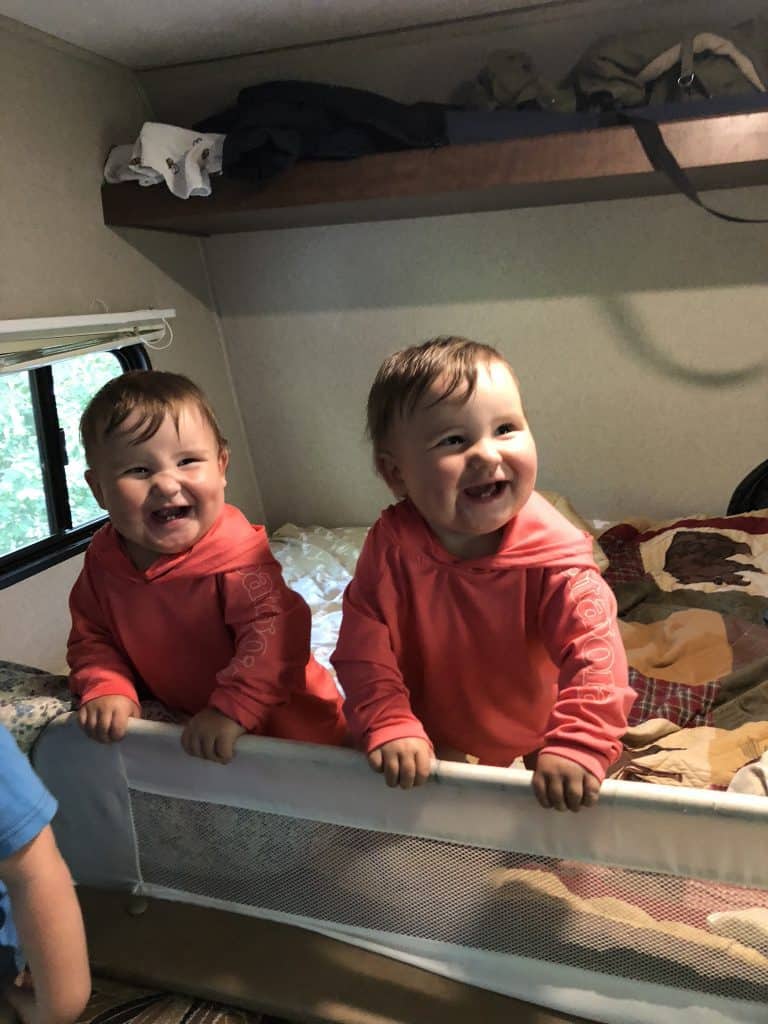
Camping with a baby in a camper is easier than tent camping in a lot of ways, but there are still challenges – especially in a smaller rig. We camp in an 18-foot pull-behind with a queen and two bunks, which meant no room for a pack n play. We had to get creative.
I wrote a full article on how we transformed our queen bed into a darkened, sound-resistant sleep area perfect for RV camping with twin babies. If you have toddlers, there is also a piece on safe toddler sleep and DIY setups in campers!
Quick tips for making RV sleep with a baby work:
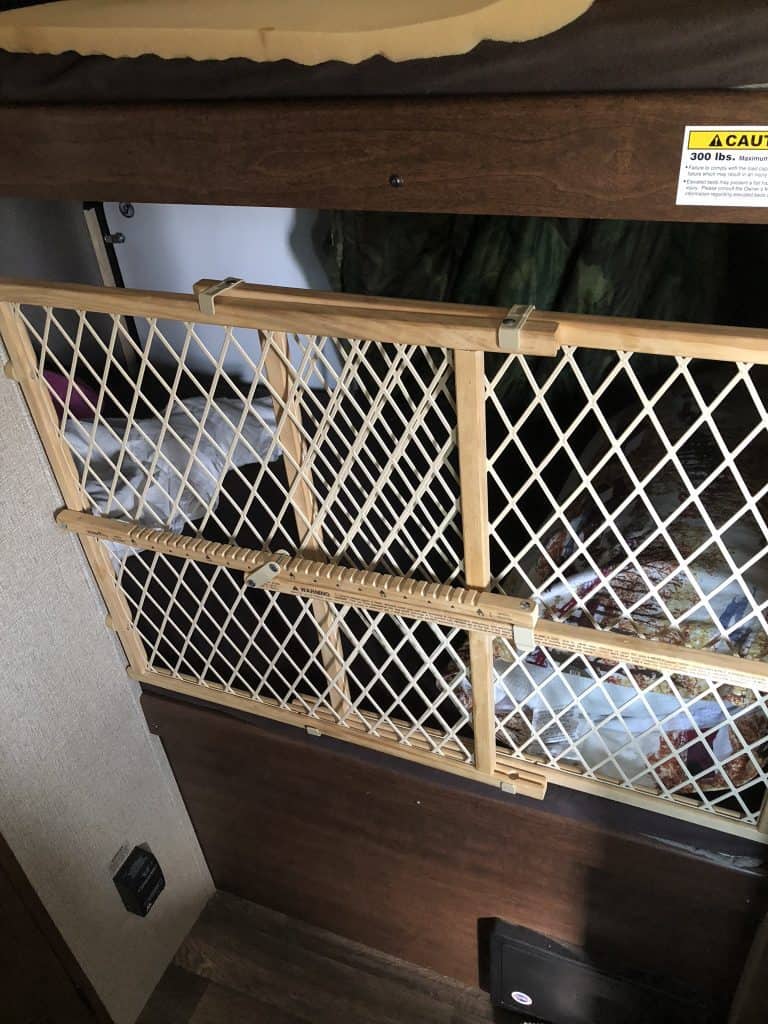
- Add a bed rail to a bottom bunk – This keeps non-standing babies contained during sleep. Some bed rails are tall enough that even standing babies can’t get out – essentially converting the bunk into a giant baby crib.
- Use a baby tent on a big bed – The KidCo Peapod pops up on a spare bed in seconds and is a great option for young babies who aren’t rolling much yet.
- Co-sleep in the biggest bed – Add bed rails on any exposed sides and follow the same co-sleeping rules as tent camping. Minimal blankets, firm surface. Bonus: the bed doubles as a supervised daytime play space.
- Use white noise – We use a white noise machine at home and at camp so that sounds inside or outside the camper don’t wake the kids while we’re still up.
- Bring a battery-operated baby monitor – Being able to leave the camper while baby sleeps so you can enjoy campfire time is much easier with a camping-specific baby monitor that doesn’t need WiFi or a signal to work.
More Tips for Getting Baby to Sleep at Camp
Even with the right gear and setup, the first couple of nights camping with a baby can be rough. Here is what has helped us most:
- Keep bedtime as close to home routine as possible – Bring any special lovies, sounds, or books and keep a similar sequence of events. The routine signals sleep time even somewhere new.
- Accept that bedtime will probably be later – Camping is exciting, and the extra daylight makes it hard for babies to settle. A pack n play blackout cover or being in a camper helps a lot with this.
- Bring a stroller they like – If your baby sometimes falls asleep in the stroller at home, it works at camp too. Even pushing them back and forth in a campground loop with a blanket draped over the canopy can get a resistant baby down.
- Be ready to nurse, feed, or lay with them to sleep – Camping is stimulating and babies can hear everything through a tent. A couple of nights of extra effort to get them down won’t ruin any good habits they have at home.
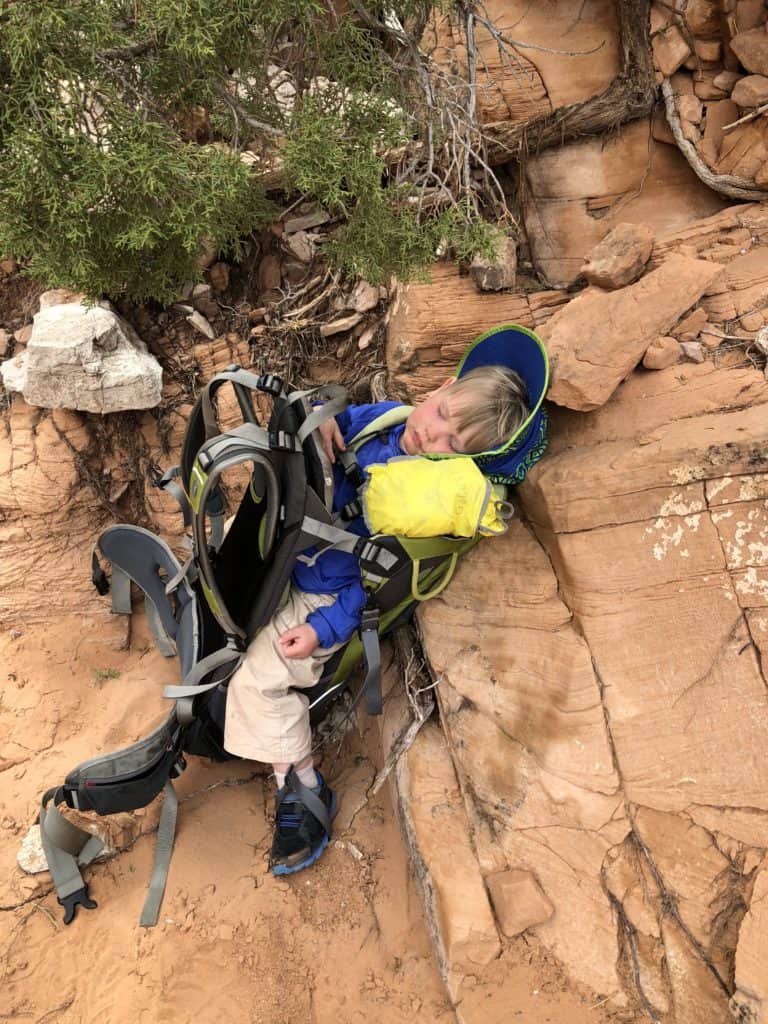
- Bring a carrier – When nothing else is working, a carrier is your best friend. Backpack-style carriers often have a shade you can drape a blanket over to darken and quiet things for baby while you still move around camp freely. I cover the best ones in my baby camping gear guide.
FAQ: Baby Sleep While Camping
How cold is too cold to camp with a baby?
Once temps start getting below freezing, many sleeping pads are no longer rated as functional. Anything under 30°F is generally too cold. Without the right gear – wool layers and a good baby sleeping bag – that threshold is even higher. Read more on keeping your baby warm while camping at night here.
How do I breastfeed my baby while camping?
Wear an easily liftable warm top layer – I wore sweatshirts – so you can bring baby to you at night without having to get out of your sleeping bag or worry about pulling them under the covers.
How do you get a baby to sleep while camping?
Honestly – a combination of exhaustion on baby’s part, patience on yours, and some realistic expectations ahead of time. Make sure they are cozy, comfortable, and fed. If nothing is working, walk them to sleep in the carrier or lay with them in the tent until they settle. It gets easier every trip.
Would a baby camping bed be useful?
Yes, especially once they start moving around. A pack n play is the most practical since it doubles as a daytime play space. For smaller setups, the KidCo Peapod pops up fast and packs down small – I cover it in detail in the baby camping gear guide.
What kind of baby sleeping bag do I need for camping?
Depends on the overnight lows. If it stays in the 60s°F, you can often get away with a onesie, warm footie PJs, a blanket swaddle, hat and gloves. Once it dips into the 50s, invest in an actual camping sleeping bag. This ensures baby stays warm without relying on unsafe loose blankets.
Can’t I just use my baby’s snowsuit while camping?
In a pinch, yes – a snowsuit works similarly to a sleeping bag and I actually used one on a early-season trip when I forgot to buy the right size bag for my twins! That said, snowsuits don’t have good venting and are not rated for safe sleep, so they are not a long-term solution.
More Baby Camping Resources
Now that you’ve got sleep sorted, here are a few more resources to help make the whole trip a success:
- Baby camping checklist – full printable packing list so nothing gets forgotten
- Baby camping gear guide – carriers, monitors, play yards, jumpers and more
- Camping with a newborn – tips from a mom who did it with twin preemies on oxygen
- Camping with toddlers guide – for when your baby graduates to the toddler stage
- Baby bottle hacks for camping – warm bottles fast with no electricity or running water
If you feel like I missed anything, please don’t hesitate to comment – I want to help everyone out as much as possible!